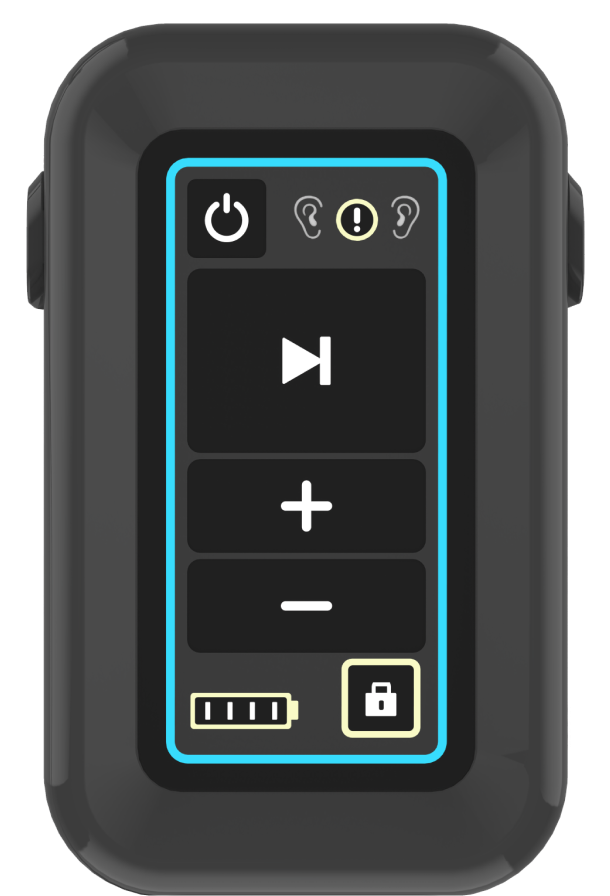







tVNS® – currently the only non-invasive vagus nerve stimulation device approved under the European Medical Device Regulation. Experience an evidence-based, transcutaneous, and mobile therapy option for neurological and psychiatric patients.
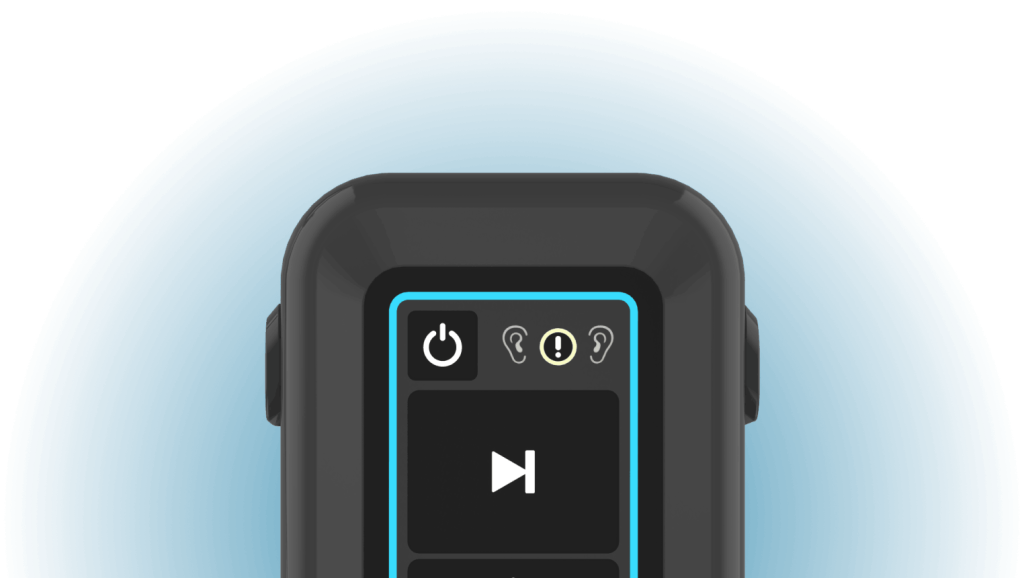














With its non-invasive approach, patient-friendly treatments, and minimal side effects, tVNS® offers a new horizon of hope and relief for those living with neurological conditions. Embrace a future where each day holds the promise of greater comfort and enhanced quality of life.
Certified Medical Device
tVNS® is the world’s only non-invasive vagus nerve stimulation approved as a Class IIa medical device under the EU-MDR, offering a scientifically validated treatment for conditions related to sympathovagal imbalance.

Non-Invasive Approach
A safe and gentle alternative to surgery and medication, tVNS® stimulates the vagus nerve through the skin, offering a harmonious path to wellbeing with very low side-effects.

Control at Your Fingertips
Use our innovative tVNS® device anywhere and monitor your treatment through our user-friendly app. You have the freedom to tailor your therapy to your lifestyle.

Most Effective Stimulation Site
tVNS® is the only non-invasive stimulation device that stimulates the cymba concha, resulting in 100% vagus nerve innervation (as opposed to e.g. the tragus, which only results in 45% innervation).
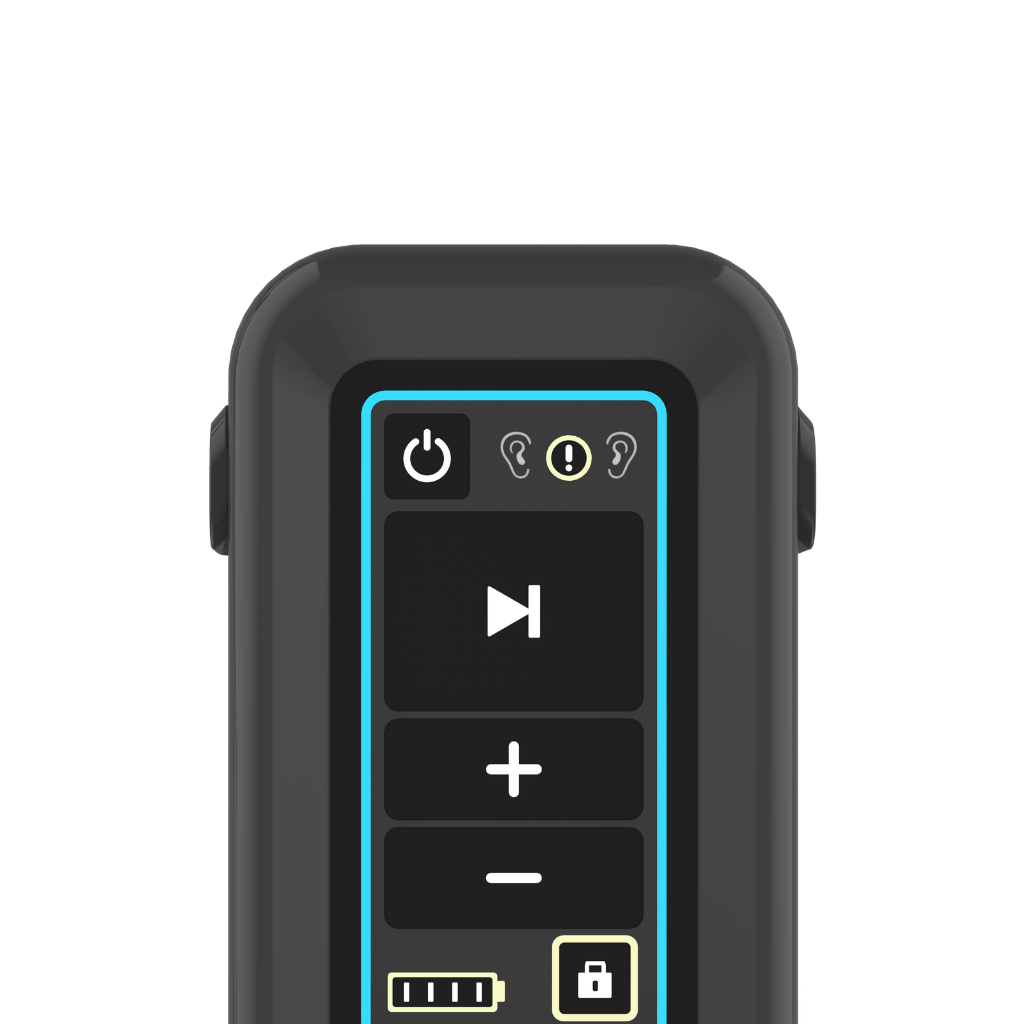
The tVNS® E is the first and currently the only medical device of its kind on the market that is certified in accordance with the current European Medical Devices Regulation 2017/745 (MDR) and is authorised for the treatment of treatment-resistant depression and epilepsy, chronic migraine and Prader-Willi syndrome in patients aged 18 and over. It is certified as Safety Class IIa and is therefore in the same category as hearing aids, for example. Transcutaneous, auricular vagus nerve stimulation with the tVNS E is a systemic therapy, as it targets the afferent branch of the vagus nerve in the cymba conchae. The vagus nerve is one of the so-called cranial nerves. Unlike the spinal nerves, the twelve cranial nerves originate directly from the brain. From there, they extend to a wide variety of points in the head and neck region or, as in the case of the vagus nerve, even as far as the trunk. Put simply, the vagus nerve is the link between our brain and our internal organs. The vagus nerve is the part of the nervous system responsible for relaxation, calm and recovery. It has been known for many years that electrical stimulation of the vagus nerve is associated with positive effects in many clinical conditions. Numerous research projects are currently underway, and the device is being used ‘off-label’ in conditions such as Parkinson’s disease, atrial fibrillation, anxiety disorders, ME/CFS, chronic inflammatory bowel disease, atrial fibrillation, cognitive impairments, systemic sclerosis, sleep disorders, stroke and tinnitus.
A randomized, double-blind crossover study of 20 seizure-free temporal lobe epilepsy patients found that 4 hours of transcutaneous vagus nerve stimulation (tVNS) dampened the natural cortisol decline and reduced salivary flow rate compared to sham stimulation. This suggests modest short-term effects on stress-related biological systems, though subjective stress and tiredness were unchanged.
After a 20 week treatment period, active tVNS® patients recorded an average 34.2% reduction of seizure frequency.
A 30-subject EEG study found that transcutaneous auricular vagus nerve stimulation (taVNS) modifies functional brain network properties in ways that differ by epilepsy type. Generalized and focal epilepsy groups showed opposite patterns of network reorganization during and after stimulation, suggesting taVNS effects are not uniform across epilepsy types. Local brain network changes were largely diffuse and non-specific.
After a 20 week treatment period, active tVNS® patients recorded an average 34.2% reduction of seizure frequency.
A crossover study of 15 patients with drug-resistant epilepsy found that neither acute invasive VNS nor taVNS improved verbal memory performance on a word recognition task. However, memory scores improved significantly after 6 weeks of VNS treatment, suggesting sustained, repetitive stimulation at moderate intensity is needed to meaningfully enhance memory function.
After a 20 week treatment period, active tVNS® patients recorded an average 34.2% reduction of seizure frequency.
A prospective trial of 14 epilepsy patients found that one hour of taVNS produced measurable, often persistent changes in EEG-derived brain network properties, including increased integration, robustness, and stability. Importantly, these network modifications occurred without any negative impact on cognition or behavior, suggesting taVNS may promote a more resilient epileptic brain network.
After a 20 week treatment period, active tVNS® patients recorded an average 34.2% reduction of seizure frequency.
A multicenter feasibility trial of taVNS in 37 drug-resistant epilepsy patients was terminated early due to poor recruitment and high dropout. Only 59% completed six months and 16% completed the full 18-month follow-up. The findings highlight that patient adherence and device usability are critical barriers to real-world taVNS adoption, independent of clinical efficacy.
After a 20 week treatment period, active tVNS® patients recorded an average 34.2% reduction of seizure frequency.
A comprehensive review of 30 years of VNS literature found that invasive VNS achieves 50% seizure reduction in roughly 45 to 65% of drug-resistant epilepsy patients, with efficacy peaking around 6 months and continuing to improve for up to 2 years. Non-invasive taVNS shows promise but remains limited by small study sizes, inconsistent protocols, and lack of long-term data.
After a 20 week treatment period, active tVNS® patients recorded an average 34.2% reduction of seizure frequency.
A retrospective study of 52 post-stroke epilepsy patients found that 4 weeks of taVNS showed no significant improvement in seizure frequency, seizure duration, or quality of life compared to a waiting-list control group. The authors attributed the null findings to a short treatment duration, low stimulation dose, and small sample size.
After a 20 week treatment period, active tVNS® patients recorded an average 34.2% reduction of seizure frequency.
A double-blind RCT of 76 drug-resistant epilepsy patients comparing 25 Hz taVNS against 1 Hz active control found no statistically significant superiority for the active treatment group overall. However, patients who completed the full 20-week treatment showed a significant 34% seizure reduction, and adherence was high. The authors concluded that larger, longer trials are warranted.
After a 20 week treatment period, active tVNS® patients recorded an average 34.2% reduction of seizure frequency.
A case report of a 17-year-old with longstanding treatment-resistant depression found that 7.5 months of daily home-based taVNS, adjunct to escitalopram, was feasible and well-tolerated, with modest improvements in self-reported and clinician-rated depression scores. The authors note that existing protocols are not yet optimized for adolescents and call for dedicated pediatric research.
tVNS® led to a reduction of depression-specific HAMD score of a minimum of 2-3 points in adult patients when used in parallel with psychopharmacological and psychotherapy treatments after a period of 9 weeks.
A crossover study of 30 MDD patients and 29 healthy controls found that taVNS boosted effort invigoration during the first session in both groups, with gains persisting into a second session rather than requiring repeated acute stimulation. Patients with MDD showed trial-by-trial increases in both invigoration and reward wanting during taVNS, suggesting the stimulation may facilitate motivational learning that could complement existing depression treatments.
tVNS® led to a reduction of depression-specific HAMD score of a minimum of 2-3 points in adult patients when used in parallel with psychopharmacological and psychotherapy treatments after a period of 9 weeks.
A single-arm feasibility study of 20 treatment-resistant depression patients found that 80% achieved the compliance threshold of 4 hours of daily taVNS over 4 weeks. Side effects were mild and mostly local. Significant reductions in depression severity and improvements in cognitive speed were observed, supporting the case for larger randomized trials in this difficult-to-treat population.
tVNS® led to a reduction of depression-specific HAMD score of a minimum of 2-3 points in adult patients when used in parallel with psychopharmacological and psychotherapy treatments after a period of 9 weeks.
A randomized crossover trial of 33 depressed and 30 non-depressed adolescents found that acute taVNS did not improve general emotion recognition accuracy but did alter response inhibition on an emotional Go/NoGo task. Notably, taVNS reduced responses to sad stimuli in depressed adolescents while improving overall recognition in controls, suggesting the stimulation may specifically modulate negative-valence processing in adolescent depression.
tVNS® led to a reduction of depression-specific HAMD score of a minimum of 2-3 points in adult patients when used in parallel with psychopharmacological and psychotherapy treatments after a period of 9 weeks.
A non-blind case series of five adults with Prader-Willi Syndrome found that four hours of daily taVNS over 12 months produced significant reductions in temper outbursts in four of five participants, with improvements emerging around month nine. Halving the stimulation time to two hours reversed gains in most participants, suggesting sustained high-dose stimulation is necessary to maintain therapeutic effects.
Treatment with tVNS® led to a reduction of 50% of the frequency of days with chronic migraines after a treatment period of 12 weeks.
A systematic review and meta-analysis of 14 studies covering 995 patients found that preventive transcutaneous nerve stimulation reduced headache frequency by roughly 3 days per month in both episodic and chronic migraine, with episodic migraine patients also experiencing meaningful reductions in pain severity. The authors concluded that transcutaneous stimulation represents a clinically significant non-pharmacologic migraine prevention option.
Treatment with tVNS® led to a reduction of 50% of the frequency of days with chronic migraines after a treatment period of 12 weeks.
A 12-month case series of five Prader-Willi Syndrome patients found that daily taVNS significantly increased heart rate variability and reduced resting heart rate, both indicating enhanced vagal activity. Higher HRV levels predicted fewer emotional outbursts, suggesting taVNS may improve behavioral regulation by targeting autonomic nervous system dysfunction in this population.
After a treatment period of 12 months, 80% of tVNS® patients recorded a reduction of the mean number of outbursts per day of 50%, compared to the mean number of outbursts per day before treatment.
An ongoing randomized controlled trial (currently recruiting) based at Maastricht University Medical Center testing 8 weeks of taVNS against sham in irritable bowel syndrome patients. Primary outcomes include symptom reduction, quality of life, anxiety, and depression. The study also aims to determine whether a pre-treatment autonomic and brain imaging “neurosignature” can predict who will respond to taVNS.
After a treatment period of 12 months, 80% of tVNS® patients recorded a reduction of the mean number of outbursts per day of 50%, compared to the mean number of outbursts per day before treatment.
A non-blind case series of five adults with Prader-Willi Syndrome found that four hours of daily taVNS over 12 months produced significant reductions in temper outbursts in four of five participants, with improvements emerging around month nine. Halving the stimulation time to two hours reversed gains in most participants, suggesting sustained high-dose stimulation is necessary to maintain therapeutic effects.
After a treatment period of 12 months, 80% of tVNS® patients recorded a reduction of the mean number of outbursts per day of 50%, compared to the mean number of outbursts per day before treatment.
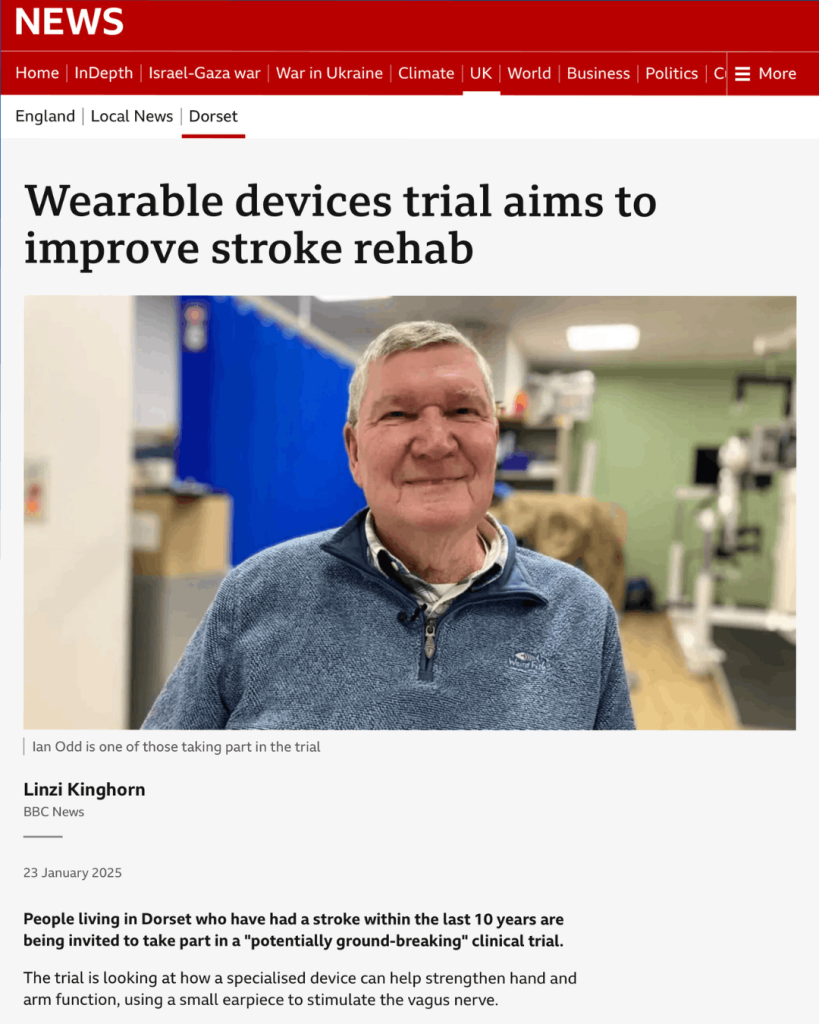
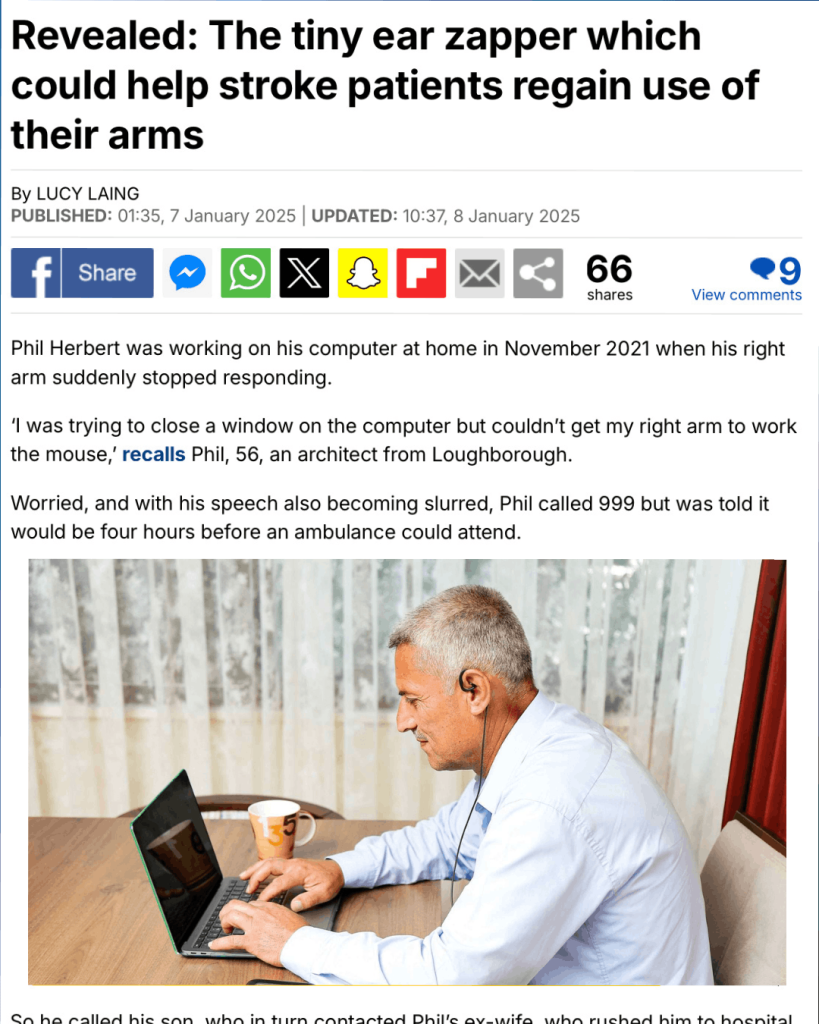
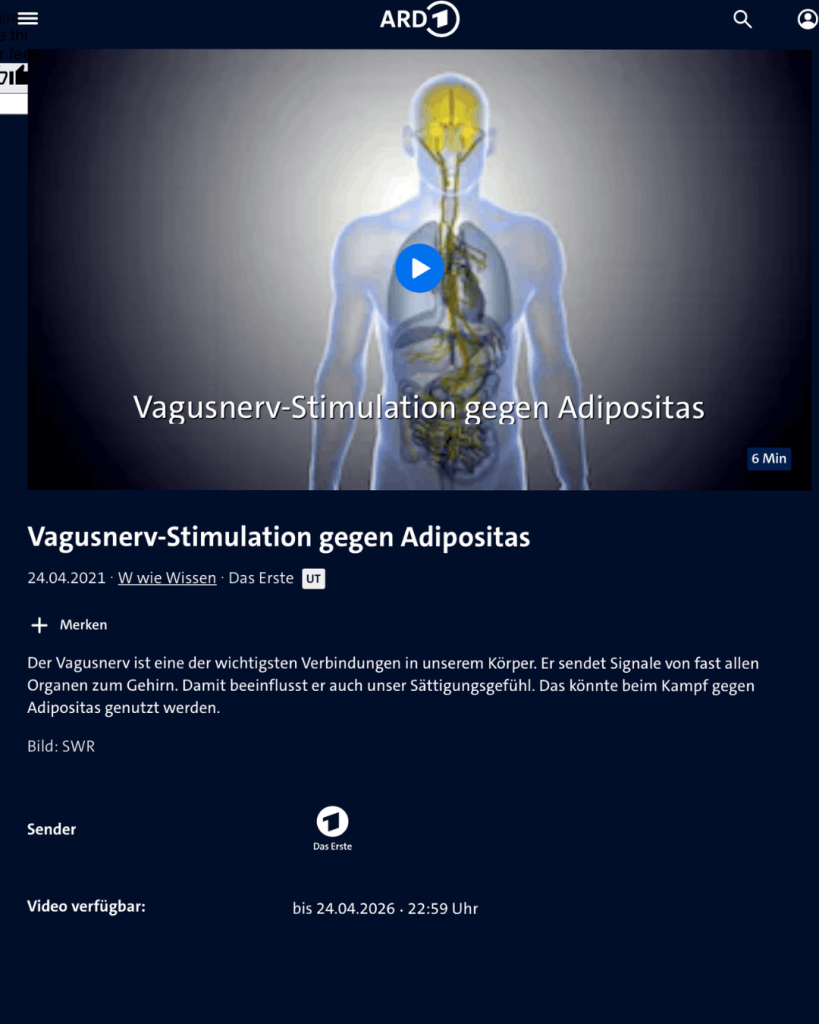
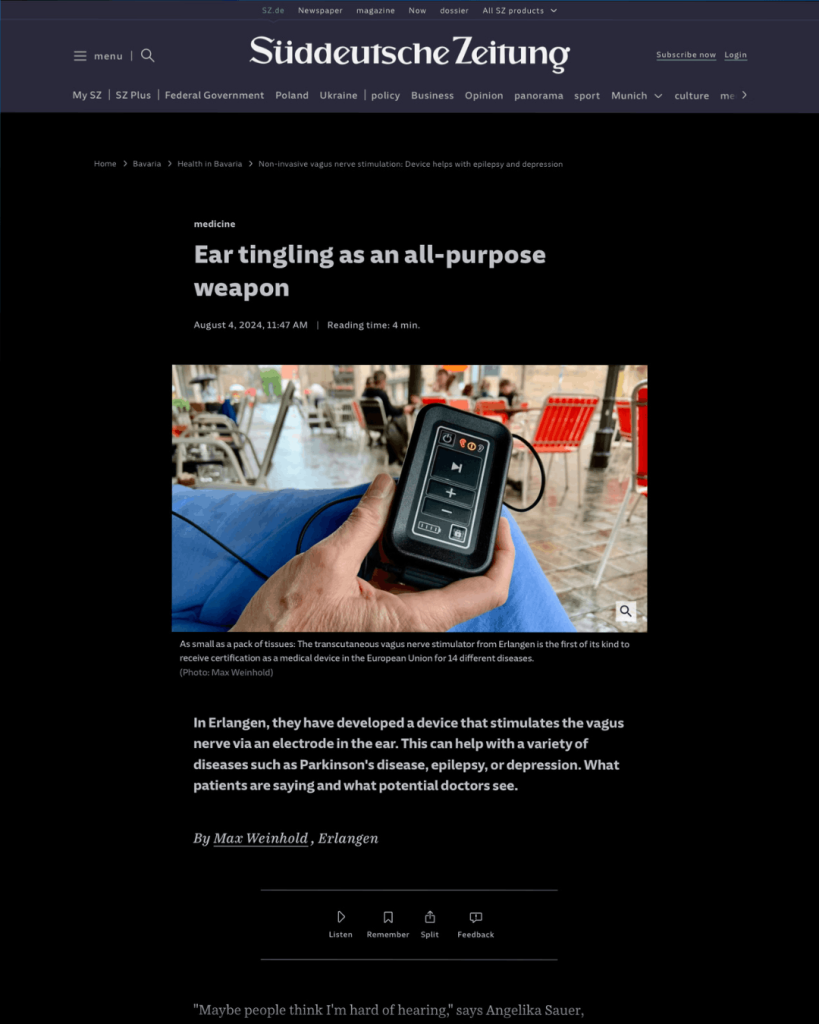
tVNS® has already been featured in numerous renowned national and international health, science, and innovation media outlets for its evidence-based approach to non-invasive vagus nerve stimulation. The coverage underscores the growing medical and scientific interest in transcutaneous vagus nerve stimulation and the importance of clinically sound technology certified under the European Medical Device Regulation (MDR) in modern neuromodulation.







Click the publications logo that you would like to see, or scroll below and click on the article you would like to read.
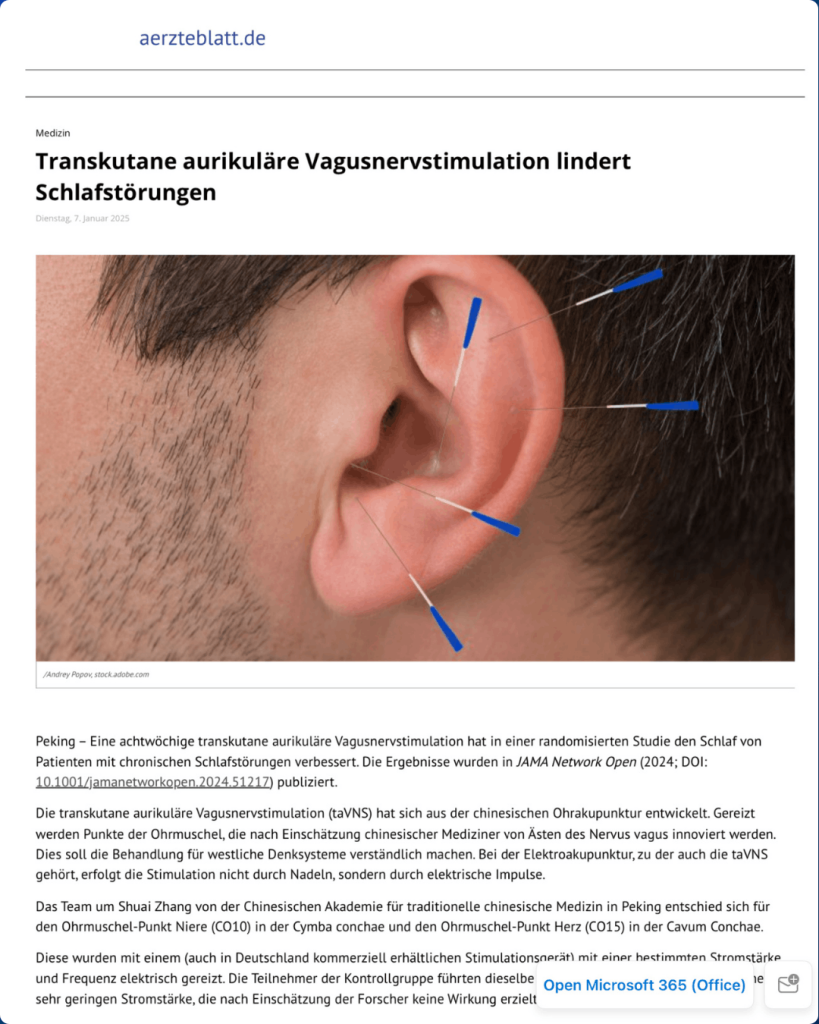

For people with Chronic Fatigue Syndrome (ME/CFS), there are currently only a few approved therapies. However, research is increasingly focusing on a non-invasive method: transcutaneous vagus nerve stimulation (tVNS®). In this video, I explain as a neurologist how this stimulation via the ear works and why it has a direct influence on inflammation and the […]
The gut produces the majority of our serotonin and is in constant communication with the brain. What role do diet and gut flora play in well-being and mental health?
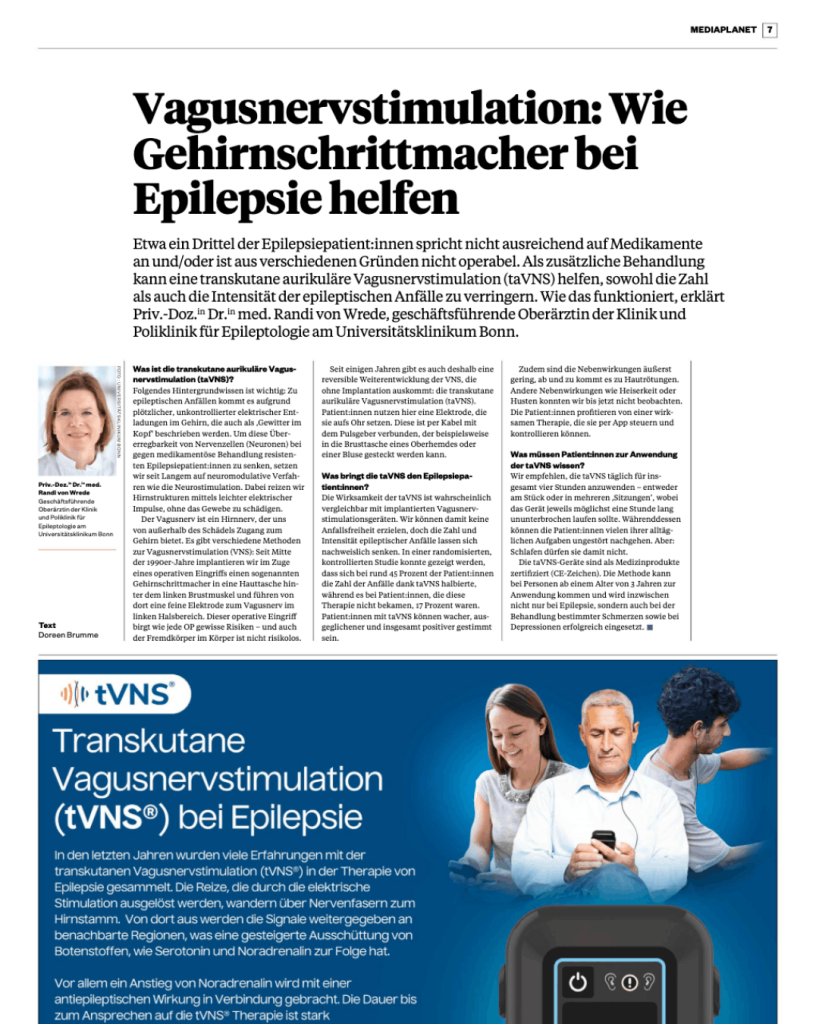
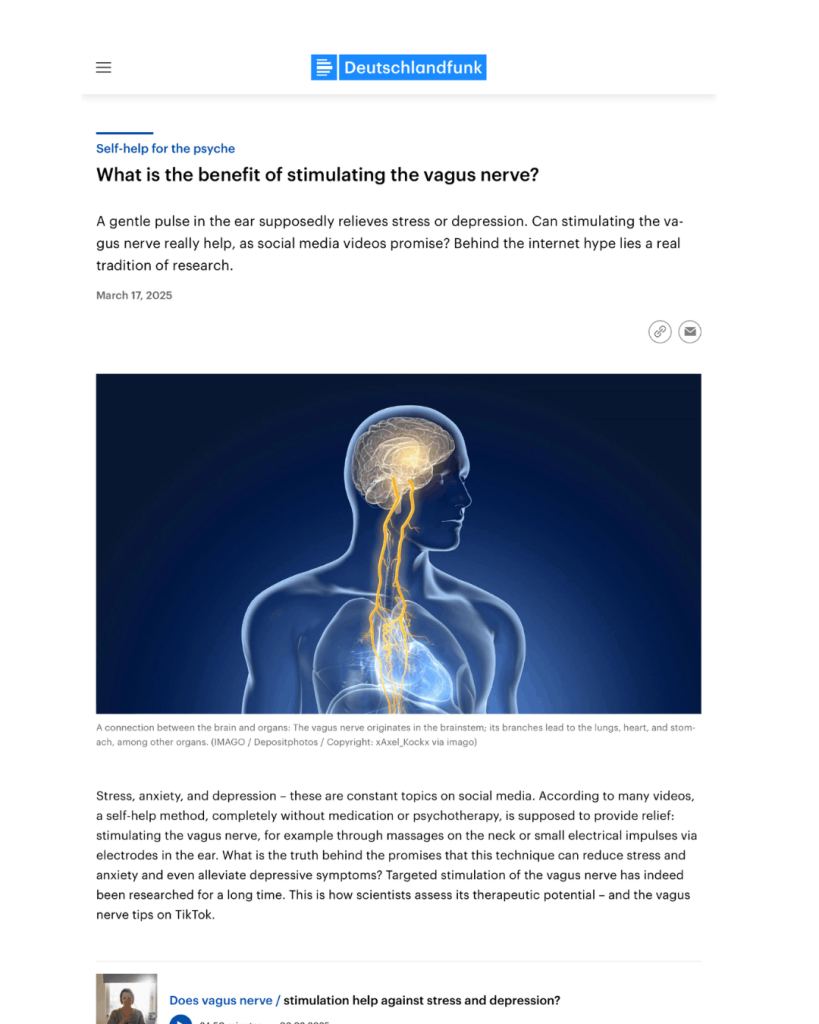
The vagus nerve is part of the autonomic nervous system. Vagus nerve stimulation is said to calm the body and even alleviate depression. Electrical devices, massages, and breathing exercises are used for this purpose. But does it really work?
Prof Dr habil Wieland Voigt, MD — CEO and Founder of VOC — introduces tVNS (transcutaneous vagus nerve stimulation), explaining how this non‑invasive therapy works to stimulate the vagus nerve.
For people with Myalgic Encephalomyelitis/Chronic Fatigue Syndrome (ME/CFS), there are currently only a few approved therapies. However, research is increasingly focusing on a non-invasive method: transcutaneous vagus nerve stimulation (tVNS).
The vagus nerve is often called the key to health in medicine. This important nerve, which connects the brain and body, influences breathing, heartbeat, and digestion. Many people can benefit from it: for stress management, improved athletic performance, or during long-term COVID-19 recovery. Will the vagus nerve revolutionize medicine?
Why is tVNS® increasingly being used in elite sports and longevity? Dr. Thomas Voit from the Longevity Center Nuremberg explains how targeted vagus nerve stimulation can support stress regulation, recovery, mental clarity, and long-term performance.
Worldwide, more and more patients, researchers, and physicians are having positive experiences with tVNS®. These insights help us continuously improve tVNS® therapy and apply it in a targeted way.
“I was diagnosed with epilepsy in 2011. At first I was only given medication to stop the seizures. On the recommendation of my doctor, I now use tVNS in parallel with drug therapy. Since then, the number of my seizures has reduced drastically. I would advise anyone who has a lot of seizures despite medication to use tVNS.”
“Epilepsy had me always bracing for the next episode. Since integrating tVNS®, there’s been a marked change in the regularity of my seizures. It’s more than relief; it’s empowerment.”
“The weight of depression had become an all-too-familiar companion. While the journey continues, tVNS® has offered a supportive hand, complementing my therapies and blessing me with brighter days.”
“It’s wonderful that with tVNS® I have found a treatment option for my Epilepsy that makes me feel better without needing surgery and worrying about side-effects.”
“The impulses help me with my balance problems. I manage to walk about 15 km once a week, chasing the ball on the golf course. I’m still taking medication. But I know that my balance problems have improved thanks to the tVNS device.”
Navigating treatment options can be overwhelming, especially when conventional therapies fall short. tVNS® offers a non-invasive approach by gently stimulating the vagus nerve through the ear, supporting balance within the nervous system without surgery or medication-related side effects. Approved as a Class IIa medical device under the EU-MDR, it combines safety, simplicity, and scientific rigor.
With over 20 years of experience, we are pioneers in non-invasive vagus nerve stimulation. Backed by robust clinical research and developed and manufactured in Germany, our devices are trusted worldwide by clinicians and researchers for their precision, reliability, and high quality standards.
What Makes Our Device Special?
Our tVNS® device is the only non-invasive VNS device that is approved as a medical device under the EU-MDR.


of experience pioneering the non-invasive vagus nerve stimulation.
of the vagus nerve is achieved via stimulation of the cymba concha.
of German precision engineering, trusted by researchers and clinicians worldwide.
Transcutaneous aricular vagus nerve stimulation with the tVNS® E is a systemic therapy. Here, sensory fibers of the vagus nerve in the Cymba Conchae of the auricle (outer ear) are addressed, which send the signal further to the brainstem and the cerebral cortex. From there, the signal travels back into the body’s trunk to almost all organs.
Stimulation of the afferent branches of the vagus nerve in the ear can therefore influence all major organ systems and thus many different diseases and pathophysiologies. Numerous research projects are currently underway worldwide for conditions such as stroke, ME/CFS, Sleep Disorders, Parkinson’s, Chronic Inflammatory Bowel Diseases or Atrial Fibrillation.
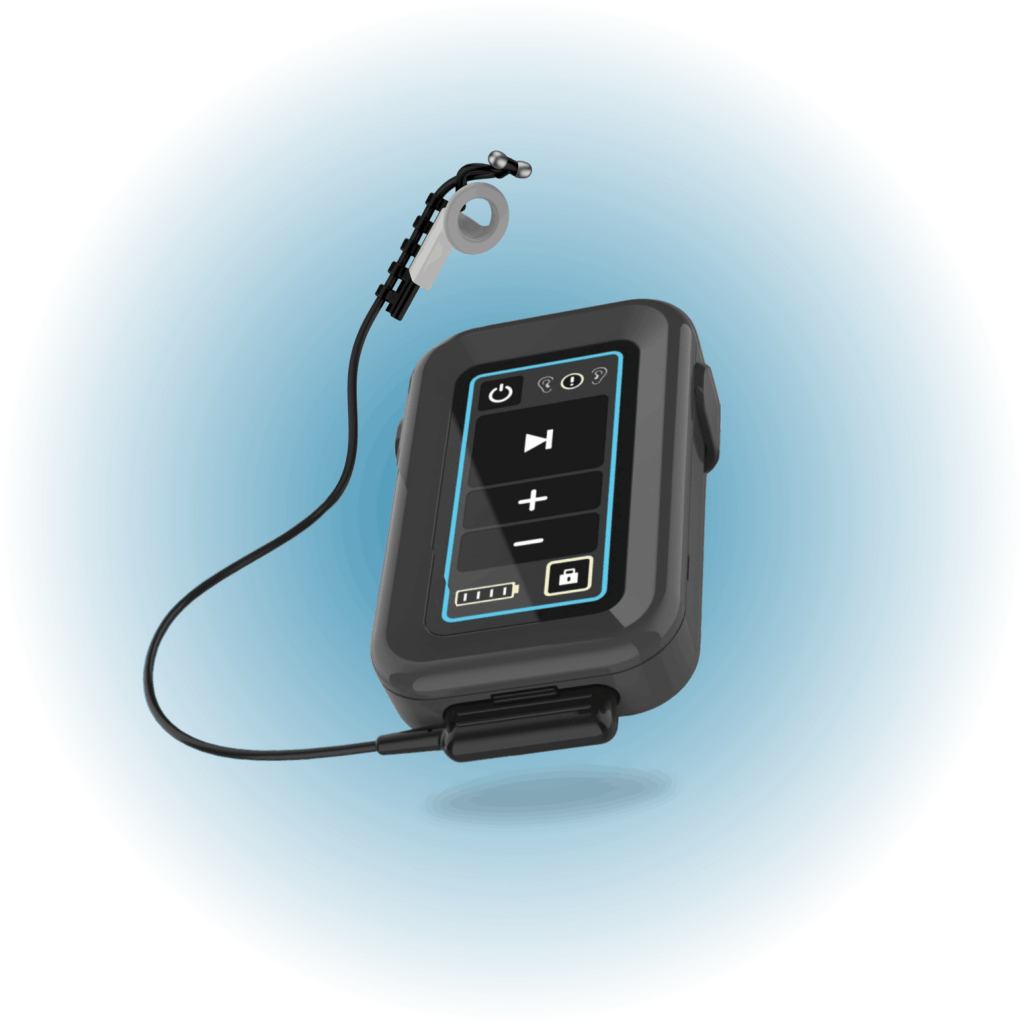
In this unboxing video, we walk you through the tVNS® device step by step, showing exactly what’s included and how to get started. You’ll see how to set up the device, place the electrode correctly, and begin your first session with confidence. Designed to be intuitive and easy to use at home, this guide helps ensure a smooth start and supports safe, comfortable integration of tVNS® into your daily routine.
Are you a physician, therapist, or other healthcare professional interested in integrating tVNS® E into your healthcare model? Then please email us at joerg@tech.t-vns.com.